
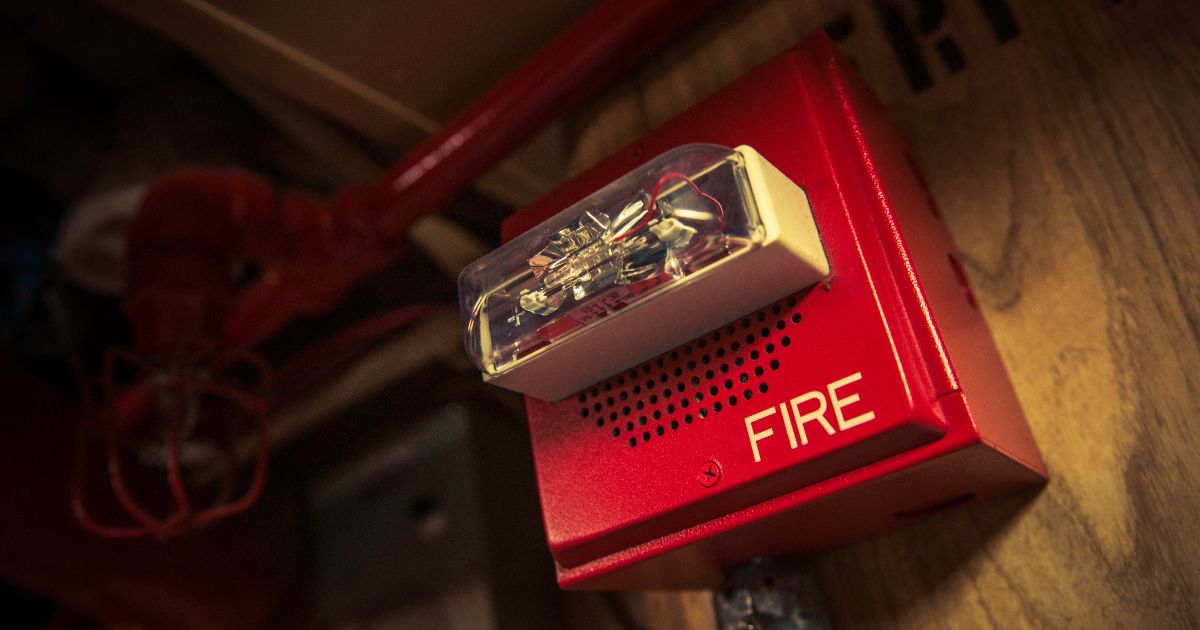
This Fire Alarm Horn Strobe Replacement Guide helps you determine when a device should be replaced and how to choose the right replacement.
A horn strobe is not just a loud alarm and flashing light. It must match the fire alarm panel, the wiring, the wall or ceiling setup, and the space’s candela needs.
A wrong part can cause trouble signals, weak alerts, or failed testing.
You should replace a fire alarm horn-strobe when it does not sound, does not flash, shows signs of damage, or fails a system test.
You may also need a replacement when a space changes and needs a different candela rating.
A horn strobe warns people with sound and light. That makes it a key part of the fire alarm system. If it is weak, dead, cracked, loose, or not listed for the system, it should not stay in place.
Common signs include:
Some issues can come from wiring or panel settings, not the horn strobe itself. That is why we like to test before we replace. A faulty circuit, a loose wire, or an incorrect setting can look like a faulty device.
For more details on early warning signs, review these replacement signs before you order parts.
The right replacement must match the system, the circuit, and the space. Do not buy by shape or color alone.
Many horn strobes look very similar. That does not mean they will work the same. The wrong device can draw too much power, flash at the wrong rate, or fail to sync with other strobes.
Check these items before buying:
This is where a small check can save a big return. Our article on choosing the right device offers more tips before you buy.
Horn strobe specs matter because the device must alert people effectively. The sound, flash, power draw, and sync all affect how the system works.
A fire alarm panel sends power to notification appliances through an NAC circuit. NAC means notification appliance circuit. Horn strobes sit on that circuit with other horns, strobes, bells, or speakers.
If the new horn strobe draws more current than the old one, the circuit may exceed its current limit. If the strobe does not sync, flashes may not match.
The device also needs the right listing. Fire alarm systems are not made from random low-voltage parts. They use the listed parts that fit the panel, circuit, and plan.
A full system has many parts working together. You can see how these pieces fit in our guide to system components.
A horn strobe replacement should follow a clear process. The goal is to remove the bad device, install the right one, and test it with the fire alarm system.
Use these steps as a planning guide. A licensed fire alarm pro should handle the work in most buildings.
I also recommend saving the old model number in a service log. It makes future orders much easier.
The most common mistake is ordering a horn strobe that looks right but does not match the system. Fire alarm parts need more than a visual match.
Watch for these errors:
Good care also reduces early failures. Our guide on horn strobe care can help teams keep devices clean and ready.
Wall-mount and ceiling-mount horn strobes are not direct swaps. Each one is built and marked for a set position.
A wall-mount horn strobe usually has lens text that reads in the wall position. It also spreads light based on wall placement. A ceiling-mount unit is designed for overhead placement and has a different light spread.
A device may fit in the box but still be the wrong fit for the space.
Before you order, check:
This is also a good time to review the role of horn strobes in loud spaces. Some areas need both strong sound and strong light to alert people fast.
A horn strobe works as part of the notification side of the system. It does not sense smoke, report sprinkler flow, or control other equipment.
This point helps buyers avoid part mix-ups. A horn strobe alerts people. A smoke detector senses smoke. A pull station sends a manual alarm. A monitor module reports a field contact. A relay module controls another device.
If your job involves HVAC shutdown, elevator recall, or door release, you may need a module rather than a horn strobe. Our monitor module guide explains the difference in plain terms.
In a real repair, you may need more than one part. A failed horn strobe may sit on a circuit with other devices. A tech may also find a bad wire, a weak power supply, or an old sync module. That is why testing matters after the swap.
For common replacement planning, this list of common parts may help you stock items that service teams use often.
A good horn strobe replacement starts with the exact job, the right model, and a full test after install.
The device must fit the panel, circuit, mount type, and space.
Use this Fire Alarm Horn Strobe Replacement Guide as a checklist before you order.
When the part matches the system, the repair goes faster, and the building gets the alert coverage it needs.