
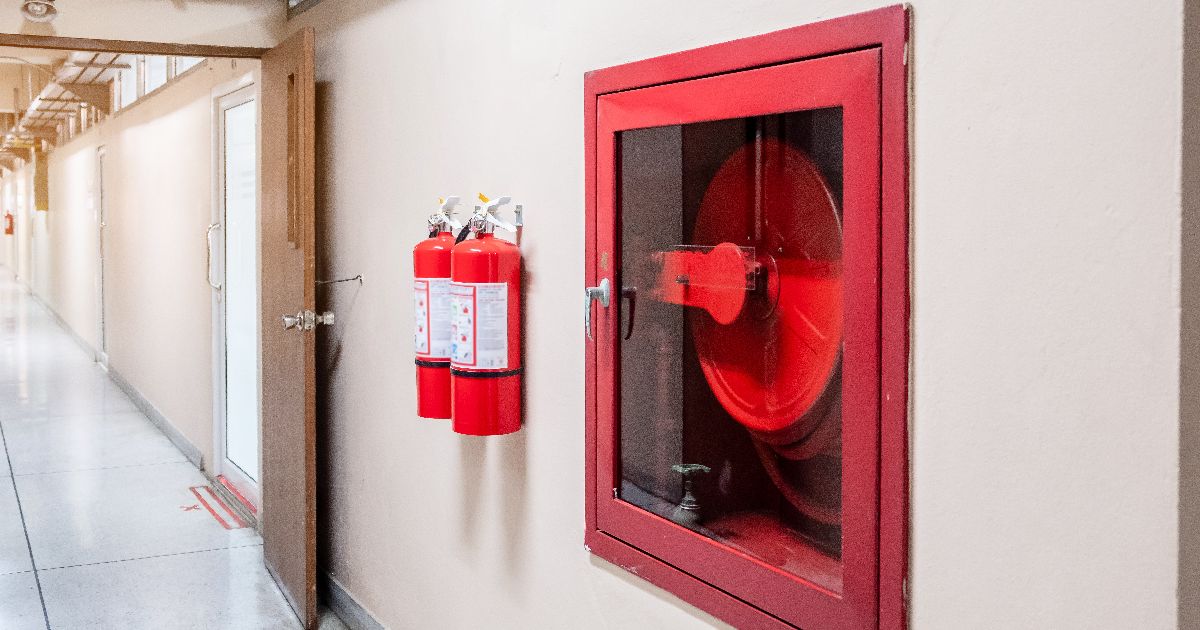
A fire alarm system has five main parts that work together to detect fire and warn people fast.
These parts include the control panel, detectors, alarms, and power sources.
I will explain each part in simple terms so you can understand how the system works.
The Fire Alarm Control Panel (FACP) is the brain of the system. It receives signals and tells other parts what to do.
This panel connects all devices in the system. When a detector senses smoke or heat, it sends a signal to the panel. The panel then turns on alarms or sends alerts.
The panel also shows error messages. This helps technicians fix problems fast.
Initiating devices detect fire or allow people to trigger the alarm.
There are two main types:
Smoke detectors sense smoke particles in the air. Heat detectors respond to high temperatures. Pull stations let people activate the alarm by hand.
These devices are the first step in fire detection. Without them, the system cannot respond.
Notification appliances warn people about danger. These devices alert people with sound and light.
They include:
When the system detects a fire, these devices activate. They make loud sounds and flashing lights to get attention.
In large buildings, speakers may give voice instructions. This helps people exit safely.
The primary power supply is the main source of electricity.
Most systems use:
This power comes from the building’s electrical system. It keeps the system running during normal conditions.
If this power fails, the system switches to backup power.
The backup power supply keeps the system running during outages.
These are usually:
If the main power stops, the batteries take over. This ensures the system still works during emergencies.
Backup power is critical. Without it, the system could fail when it is needed most.
Extra devices help monitor, control, and expand the system.
Here are common additions:
These parts help the system do more than just sound alarms. They support building safety systems and emergency response.
The control panel, power supply, and batteries are often housed in a single cabinet in smaller systems.
A residential fire alarm system uses fewer parts but still provides strong protection.
Homes need detectors, alarms, and a power source.
In many homes, smoke alarms are standalone units. In larger homes, systems connect all devices for better coverage.
The goal is simple: detect fire early and warn people fast.
Commercial systems include panels, detectors, alarms, and monitoring tools.
Commercial buildings also use:
These systems must follow strict safety codes. They often connect to fire departments or monitoring centers.
For more details on system use and responsibilities, you can review.
Detectors send signals; the panel processes them; alarms activate.
This process happens in seconds. Speed is key in emergencies.
A fire alarm system is more than just alarms on the wall. It is a complete safety network that protects people every day. When all five main components work together, they create a strong defense against fire.
Understanding these parts helps you choose the right system for your home or building. It also helps you maintain it properly.
When we install or check systems, we always focus on reliability. A working system can make the difference between safety and disaster.